How Long Should You Keep a Car for Safety and Reliability?
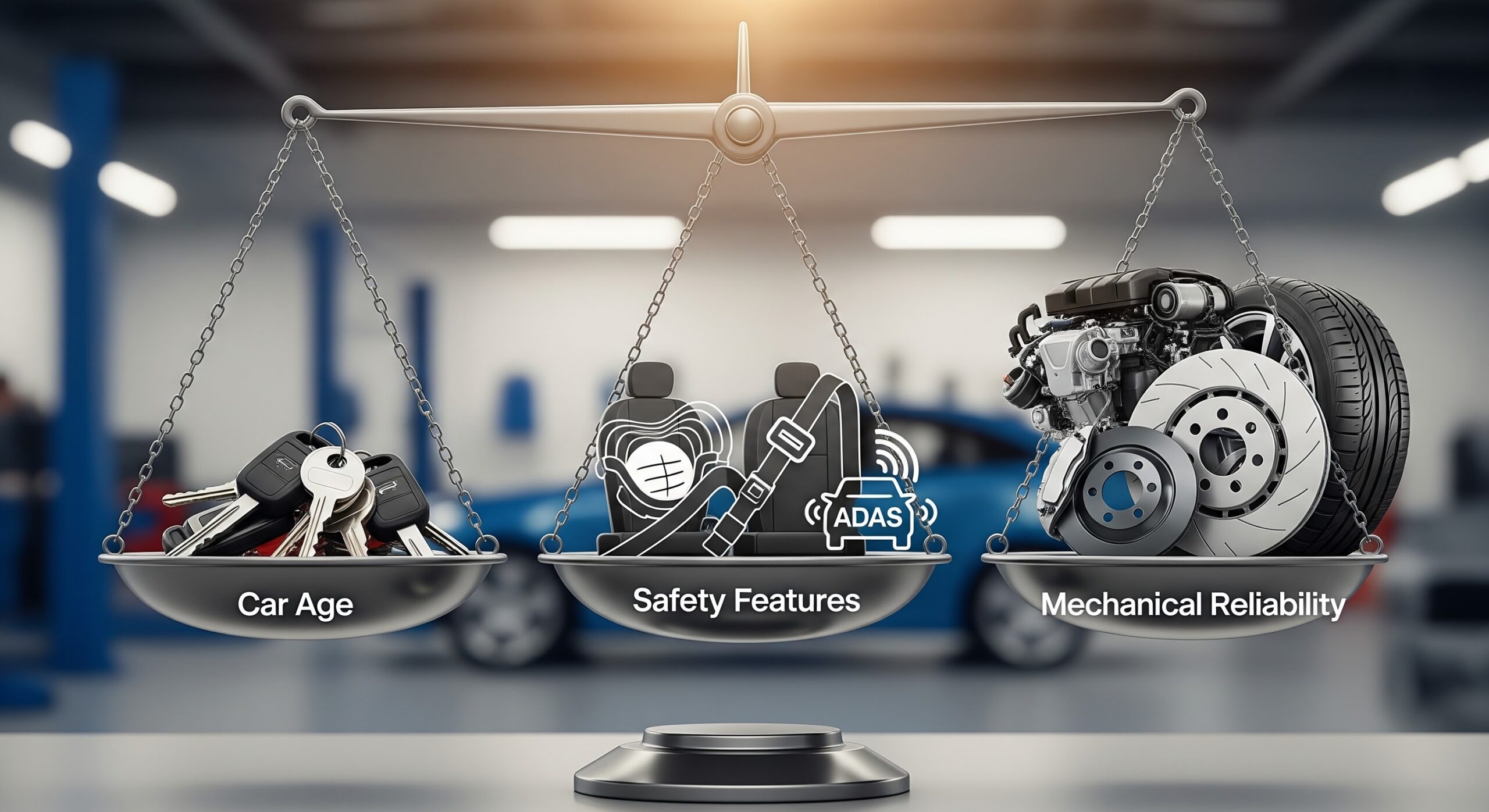
Deciding when to replace a vehicle isn’t just about age—it’s about safety, reliability, and cost. Holding onto a car too long can increase repair expenses and risk, while replacing too early may strain finances unnecessarily.
Why Vehicle Age Matters
As vehicles age, parts wear down and technology becomes outdated. Safety features in newer cars can significantly reduce accident risk.
Older vehicles may face:
- Increased mechanical failures
- Higher maintenance costs
- Fewer modern safety systems
Mileage and Maintenance Tell the Real Story
A well-maintained car with higher mileage may be safer than a neglected vehicle with fewer miles. Consistent maintenance plays a major role in longevity.
Warning signs it may be time to replace include:
- Frequent or costly repairs
- Declining reliability
- Safety system failures
Balancing Cost and Risk
Repair costs can sneak up over time. Comparing annual repair expenses to replacement costs helps clarify when a change makes sense.
Aligning Car Decisions With Financial Goals
Stridemark helps clients evaluate car replacement decisions in the context of their broader financial plan—so safety, reliability, and affordability stay aligned.