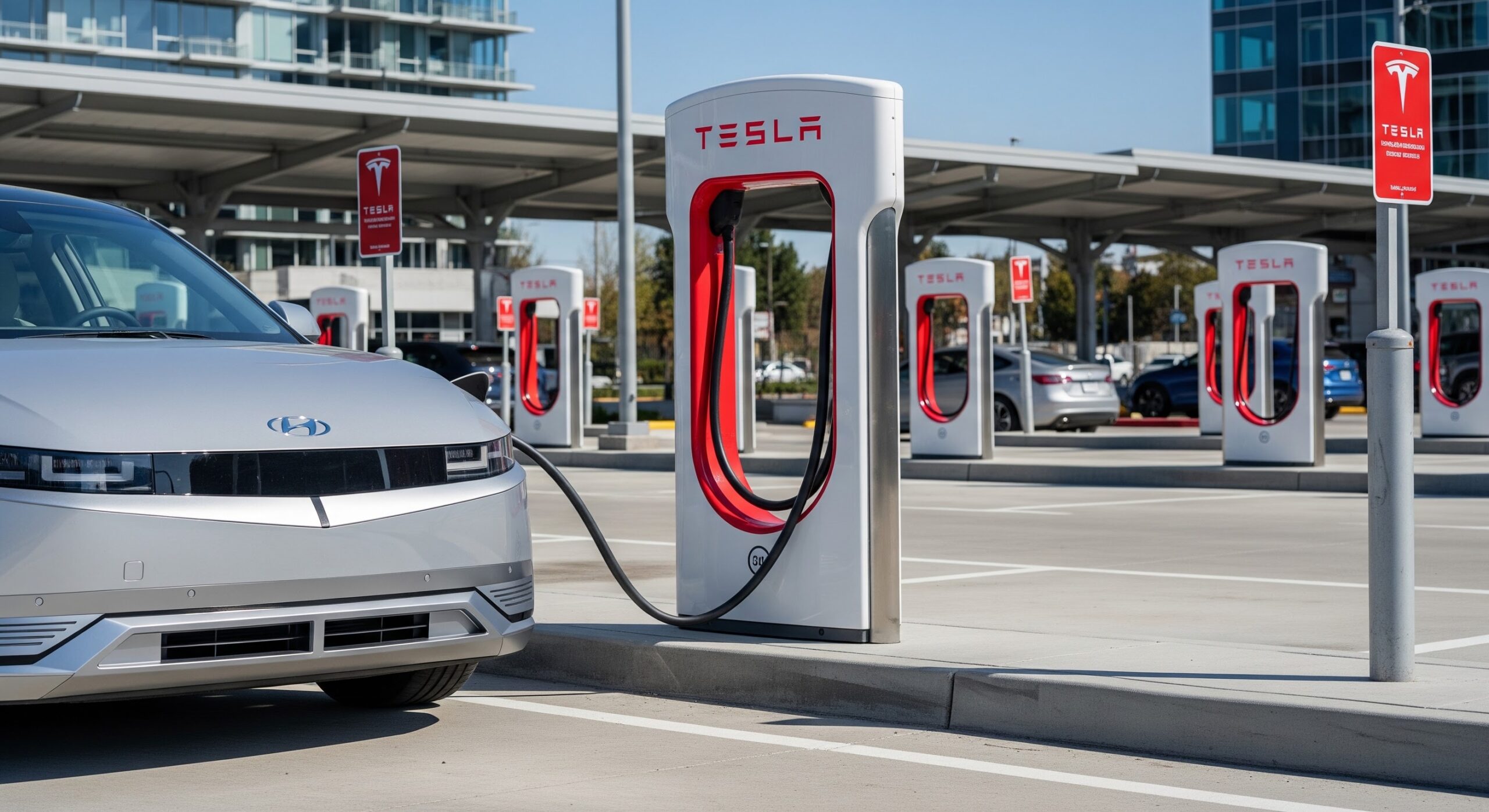
What Cars Can Use Tesla Superchargers? A Guide to EV Charging Compatibility
As electric vehicles become more common, charging access is a major consideration for drivers. Tesla’s Supercharger network is one of the largest and fastest charging systems available, but not every electric vehicle can automatically use it. Understanding compatibility helps you make smarter purchasing and travel decisions.
Understanding Tesla’s Charging Network
Tesla Superchargers were originally designed exclusively for Tesla vehicles. The network is known for:
- Fast charging speeds
- Wide geographic coverage
- Integrated navigation and billing for Tesla owners
Historically, non-Tesla EVs were unable to use these chargers due to proprietary connectors and software systems. However, this is beginning to change.
The Shift Toward NACS (North American Charging Standard)
Tesla opened its charging connector design—now called NACS—to other manufacturers. Many major automakers have announced plans to adopt this standard in upcoming electric vehicle models.
As a result:
- Some newer non-Tesla EVs may gain Supercharger access
- Adapters may allow compatibility for certain models
- Charging access may still depend on location and network agreements
This shift is helping create more unified charging infrastructure across the U.S.
Adapters and Access Considerations
Even when physical compatibility exists, software authorization may be required. Some Superchargers are open to non-Tesla vehicles through Tesla’s app, while others remain Tesla-only.
Drivers should verify:
- Whether their specific vehicle model is approved
- If an adapter is required
- Whether charging speed will differ from Tesla vehicles
Not all charging stations deliver the same power levels, which can affect charging time.
Planning for Charging Convenience
Before purchasing an EV, consider:
- Home charging setup availability
- Proximity to compatible fast-charging stations
- Typical driving distance and travel habits
- Long-term infrastructure expansion plans
Charging convenience can significantly influence ownership satisfaction and overall costs.
Electric vehicles can offer long-term fuel savings and environmental benefits, but infrastructure compatibility plays an important role in overall value. Charging access, insurance differences, maintenance costs, and resale value should all factor into the decision.