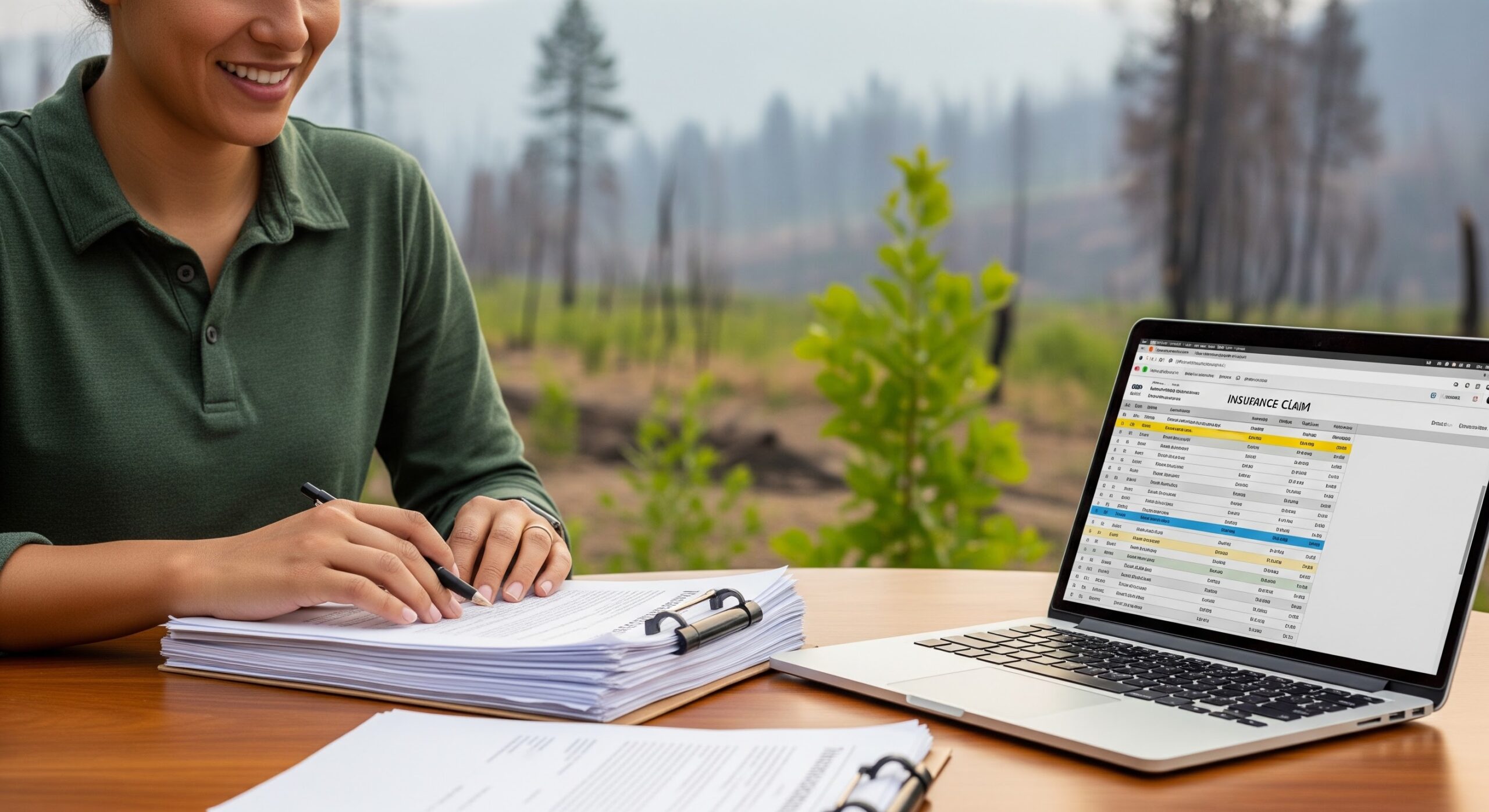
Steps for Filing a Wildfire Insurance Claim in California
Wildfires can cause sudden, devastating losses, and the claims process can feel overwhelming during an already stressful time. Understanding how to file a wildfire insurance claim—and what to expect—can help you move through recovery more smoothly.
Start by Prioritizing Safety
Before focusing on insurance, make sure everyone is safe and follow local emergency guidance. Once it’s safe to return, document damage as soon as possible.
Important first steps include:
- Taking photos and videos of all visible damage
- Making a list of damaged or destroyed property
- Preventing further damage when it’s safe to do so
Documentation becomes the foundation of your claim.
Contact Your Insurance Provider Promptly
Notifying your insurer quickly helps start the claims process and establishes a record of loss. Many policies have specific timelines, especially after widespread disasters.
When filing, be prepared to share:
- Policy information
- Date and cause of loss
- Initial damage details
Understand What Your Policy Covers
Wildfire claims may involve multiple parts of your policy, such as:
- Dwelling coverage
- Personal property coverage
- Additional living expenses if your home is uninhabitable
Knowing which coverages apply helps set expectations early.
Keep Detailed Records Throughout the Process
Claims can take time, particularly after major wildfire events. Keeping organized records helps avoid delays.
Helpful records include:
- Claim correspondence
- Receipts for temporary housing or repairs
- Contractor estimates