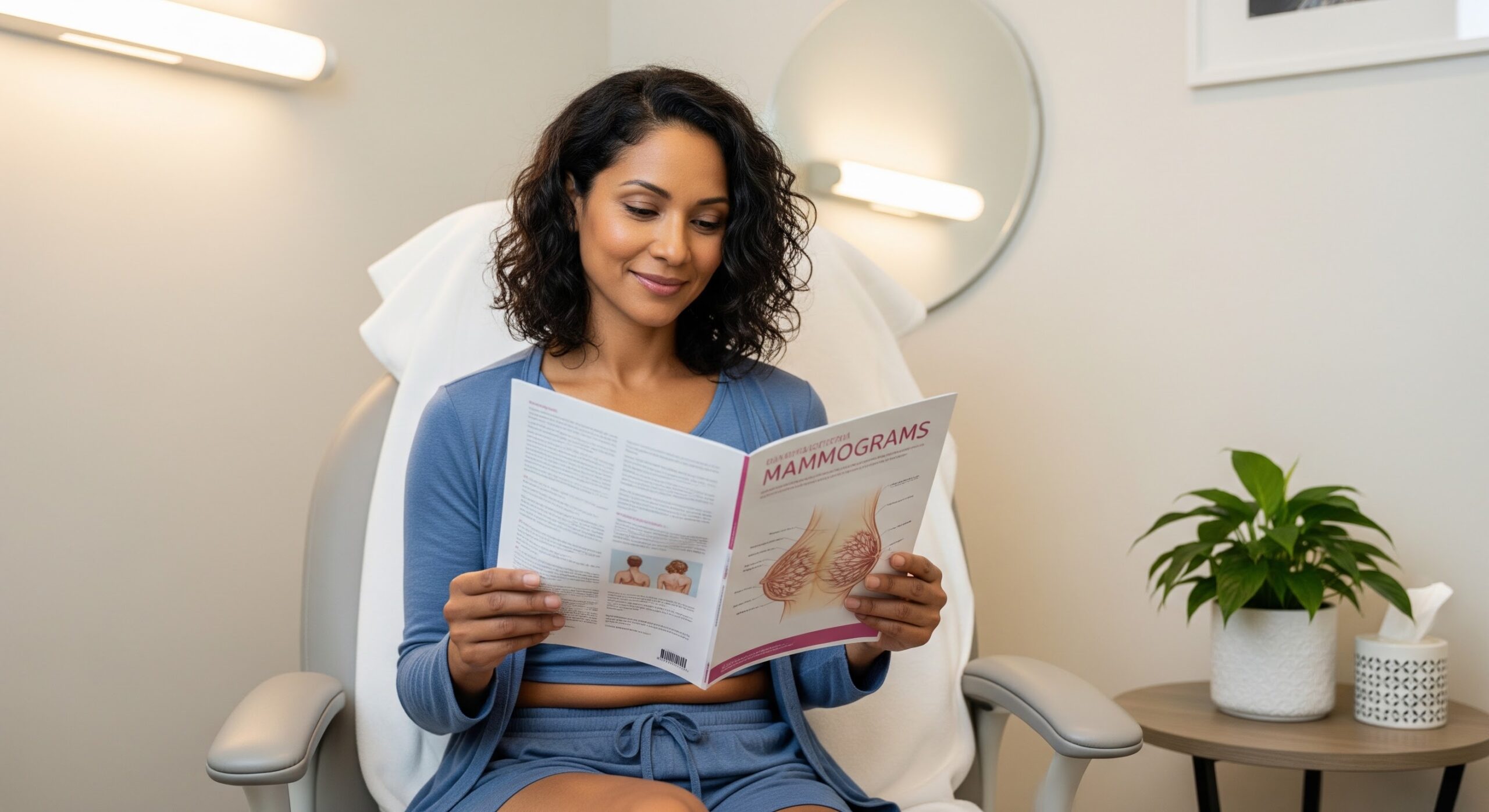
What to Expect When Preparing for a Mammogram
Mammograms are an important screening tool for detecting breast cancer early, often before symptoms appear. Knowing how to prepare and what to expect can help reduce anxiety and make the experience more comfortable.
What a Mammogram Is and Why It Matters
A mammogram is an X-ray image of the breast used to look for changes that may not be felt during a physical exam. Regular screenings can help detect breast cancer at earlier stages, when treatment options are often more effective.
Mammograms are commonly used for:
- Routine breast cancer screening
- Follow-up imaging after abnormal findings
- Monitoring breast health over time
Your provider can recommend when and how often you should be screened based on your age and risk factors.
How to Prepare Before Your Appointment
Preparing ahead of time can help your appointment go smoothly.
Helpful preparation tips include:
- Scheduling your mammogram when breasts are least tender, if possible
- Avoiding deodorant, lotion, perfume, or powder on the day of the exam
- Wearing a two-piece outfit for easier changing
- Bringing prior mammogram records if this is your first visit at a new location
Let the technologist know if you are pregnant, breastfeeding, or have breast implants.
What Happens During a Mammogram
During the exam, each breast is placed between two plates and gently compressed to get clear images. The compression may feel uncomfortable for a few seconds, but it helps improve image quality.
The process typically:
- Takes about 15 to 20 minutes
- Includes images from multiple angles
- Is performed by a trained technologist
You can speak up if you feel significant discomfort so adjustments can be made.
Understanding Your Results
After the mammogram, a radiologist reviews the images. Results are usually shared within a short time frame.
Possible outcomes include:
- Normal results with no follow-up needed
- A request for additional imaging
- Referral for further evaluation
Being called back does not automatically mean cancer—additional images are often needed for clarity.
Managing Anxiety Around Screenings
It’s normal to feel nervous before or after a mammogram. Staying informed, asking questions, and understanding the process can help ease stress.
Helpful strategies include:
- Scheduling appointments early in the day
- Bringing a supportive friend or family member
- Focusing on the benefits of early detection.